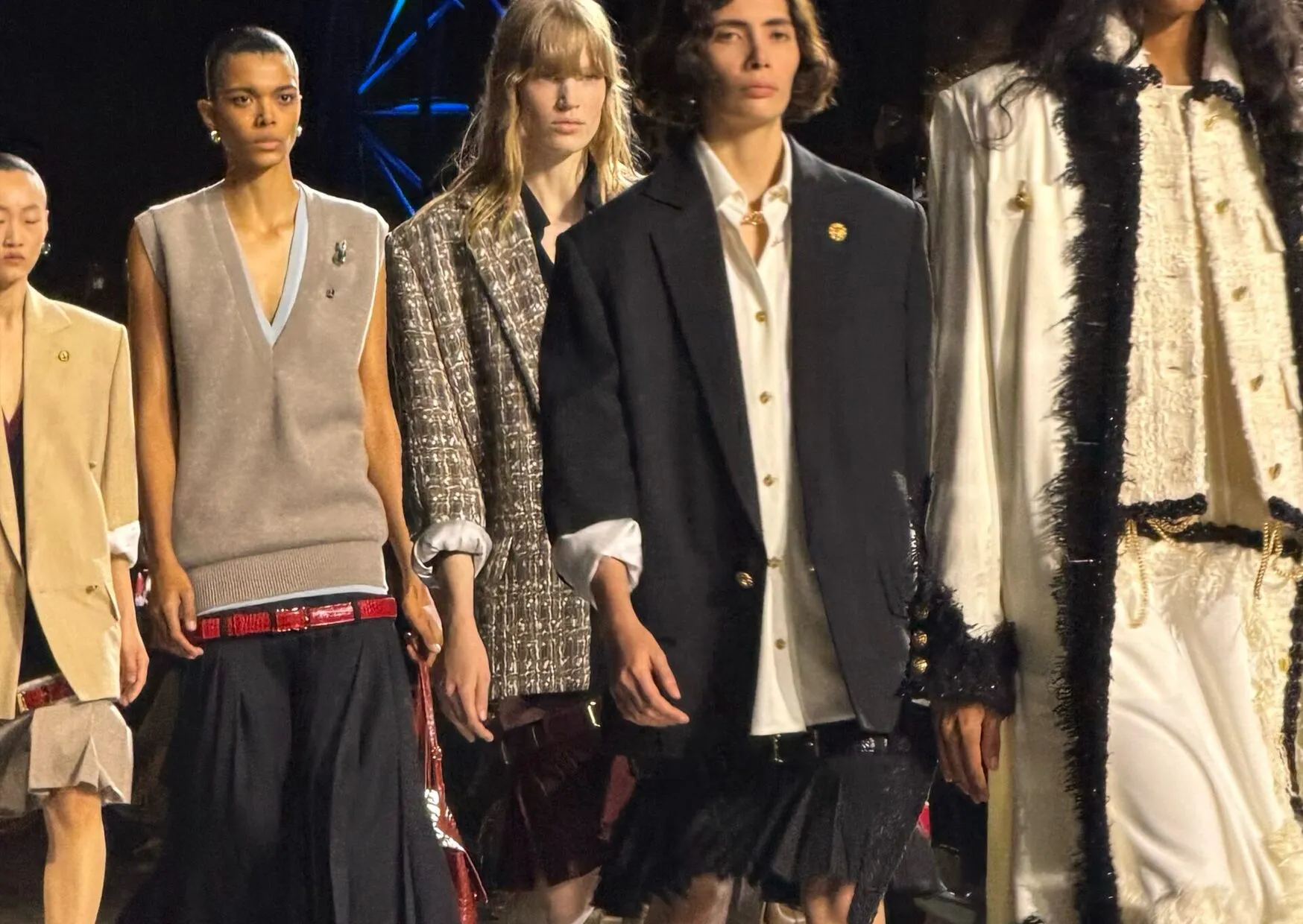
The 5 biggest trends of Paris Fashion Week FW26
TL;DR
- Low-waist silhouettes dominate FW26, with Chanel reinterpreting classic silhouettes with extremely low waists.
- Sculptural tailoring and oversized shoulders appear at, among others, Louis Vuitton and Balenciaga.
- Equestrian influences return to the runway at Hermès and Stella McCartney.
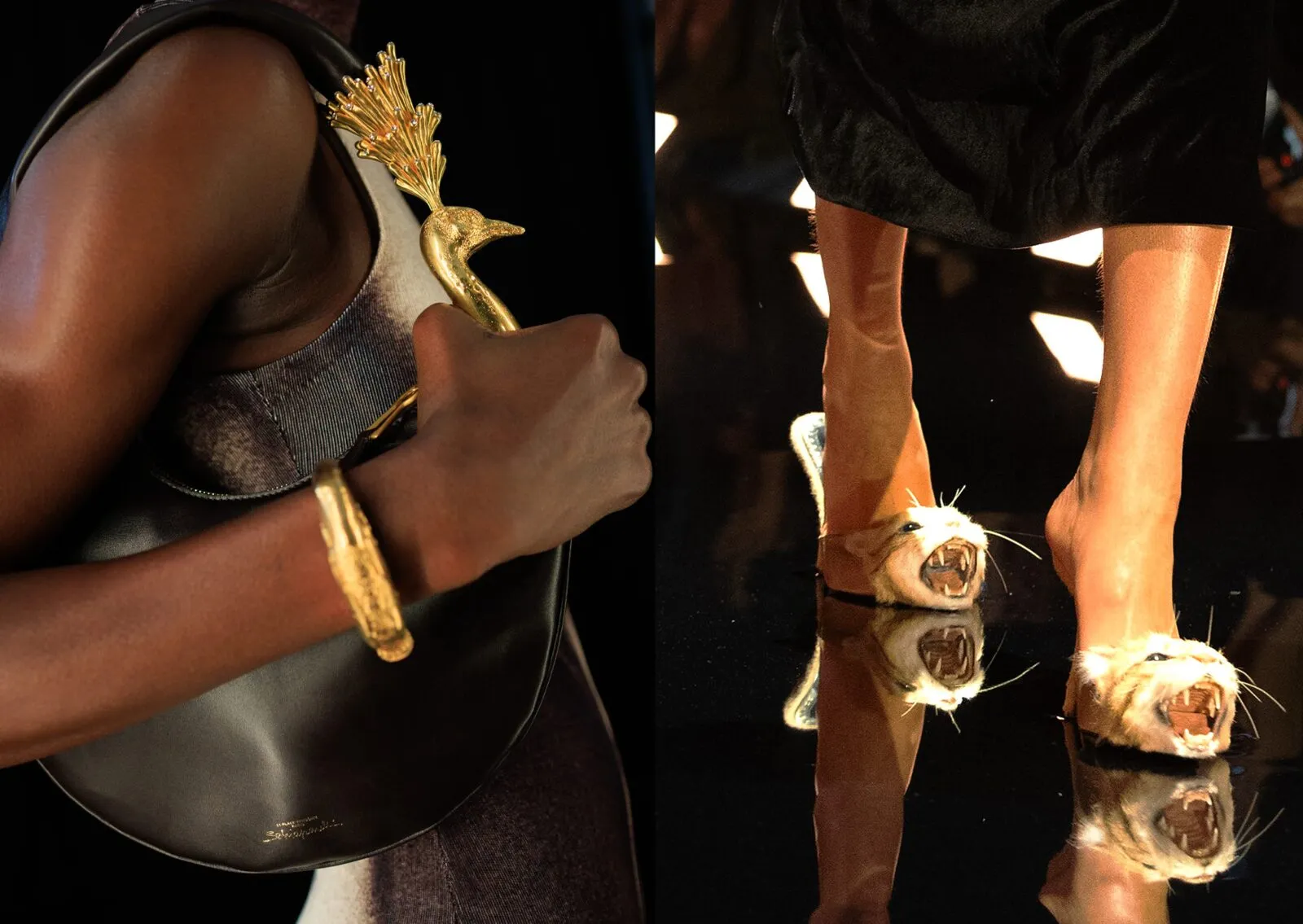
- Surrealist accessories such as Schiaparelli’s sculptural kitten heels become viral statement pieces.
- Ultra-feminine silhouettes with ruffles, peplums and floral motifs dominate collections such as Dior.
Paris Fashion Week FW26 sets the tone for the fashion of 2026
Paris Fashion Week remains the moment when the biggest fashion houses show where the industry is heading. During the autumn/winter 2026 shows in Paris we saw a striking mix of nostalgia, experiment and theatrical runway concepts.
From horses on the catwalk at Stella McCartney to surrealist accessories at Schiaparelli: the collections showed that fashion is increasingly about visual impact, storytelling and cultural relevance.
These are the five trends of Paris Fashion Week FW26 that will define the fashion landscape of the coming seasons.
1. Low-waist silhouettes make a comeback
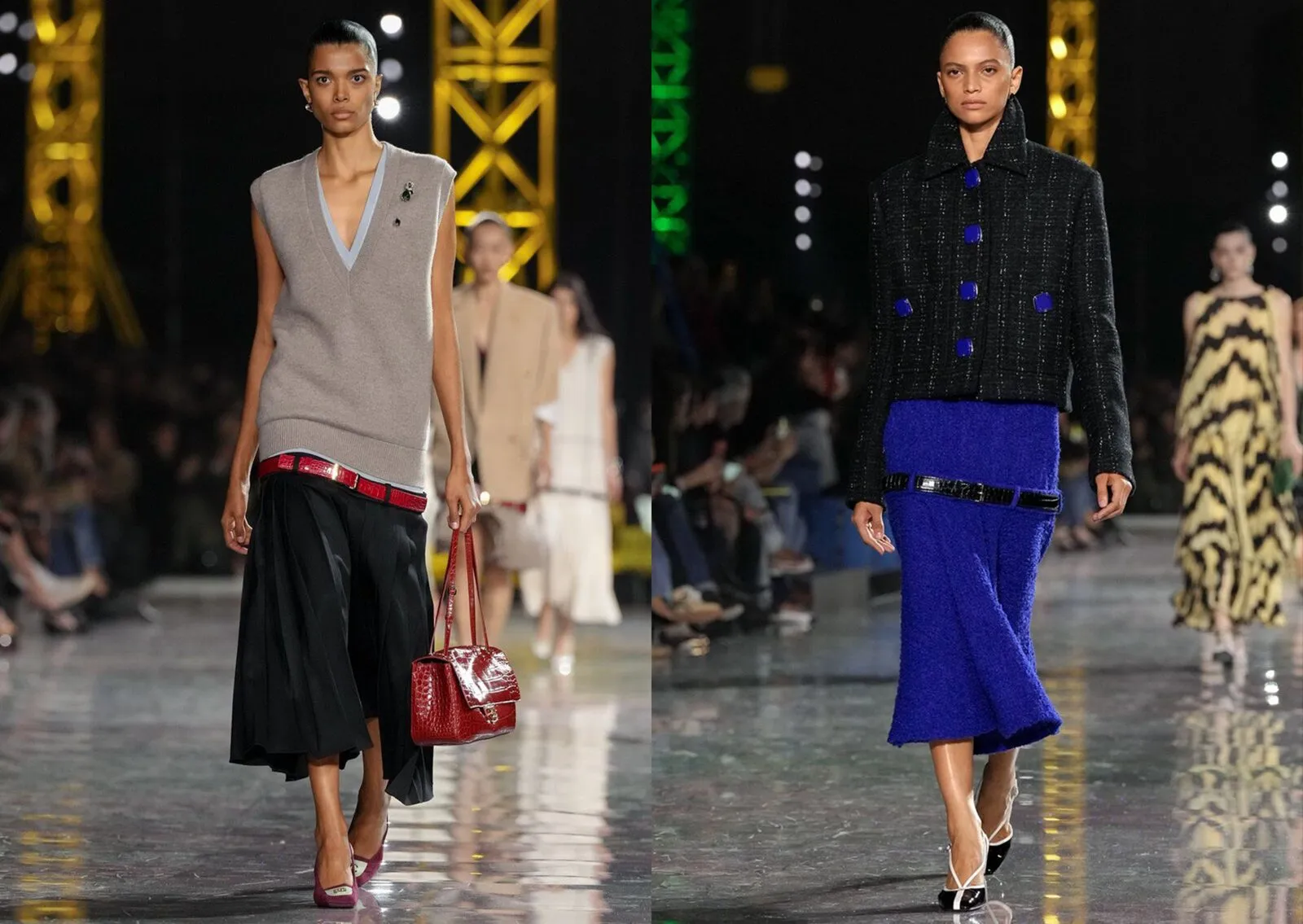
One of the most talked-about trends of Paris Fashion Week FW26 was the return of the low waist.
At Chanel, creative director Matthieu Blazy experimented with drastically lowered waists that sit closer to the hips. Miniskirts and dresses got a subtle drop-waist, often accentuated with a belt. The result felt less Y2K and more like a modern interpretation of Gabrielle Chanel's sportswear.
By shifting the proportions slightly, iconic Chanel elements such as tweed jackets and pleated skirts gained new energy. With that, the runway confirms what had long been visible in street style: low-rise is back, but more refined than ever.
2. Sculptural tailoring and extreme shoulders
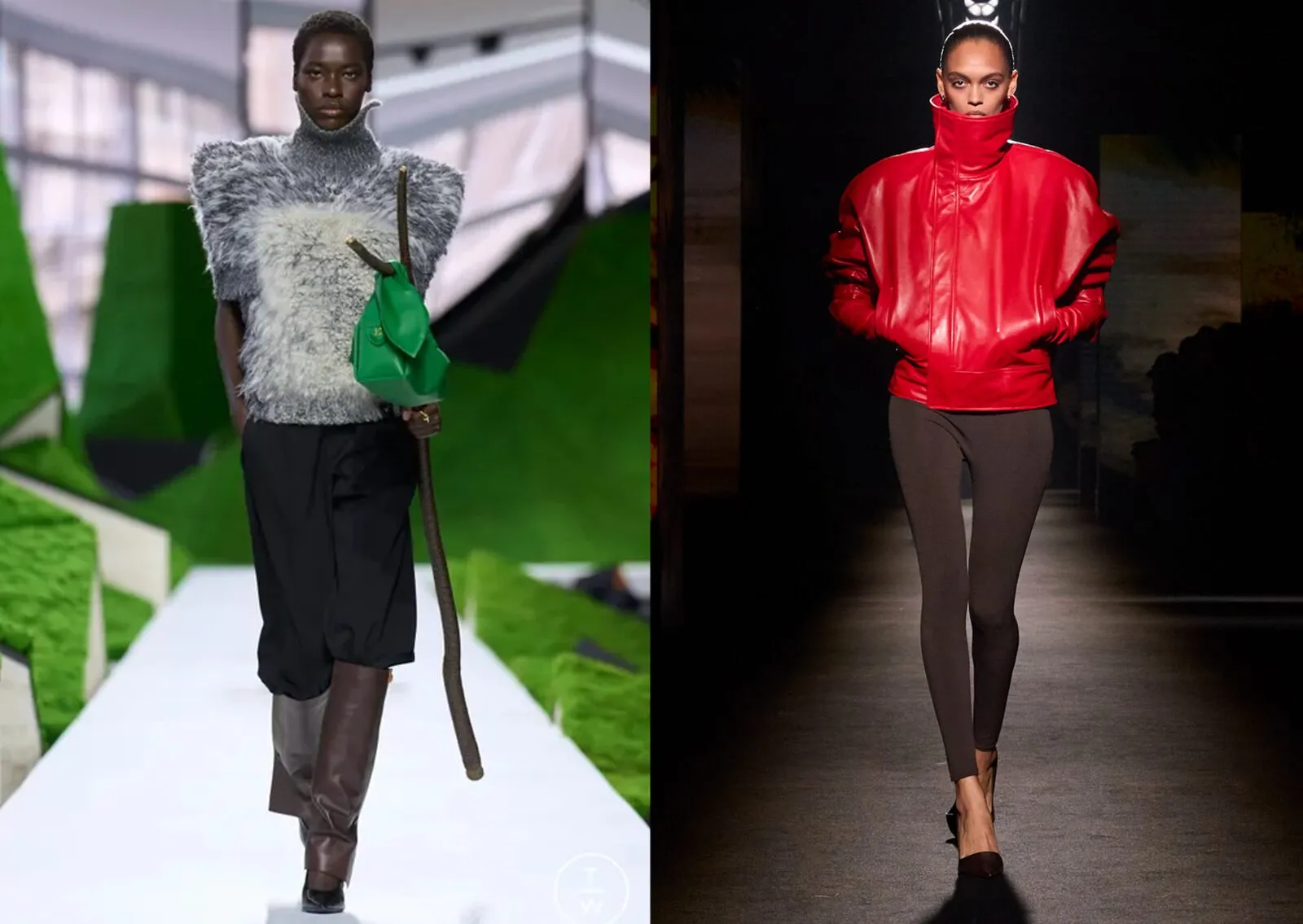
Another striking trend during Paris Fashion Week FW26 is the rise of sculptural tailoring.
At Louis Vuitton, Nicolas Ghesquière presented jackets and coats with extremely broad shoulders that felt almost architectural. Some silhouettes were reminiscent of wings or protective cocoons framing the body.
At Balenciaga, too, we saw powerful shapes in leather jackets and coats that dramatically reinforce the silhouette. Tailoring thereby becomes not only functional, but also a form of visual expression.
The result is an aesthetic that looks both futuristic and powerful: perfect for a time when fashion is increasingly becoming a statement of identity.
3. Equestrian fashion is everywhere
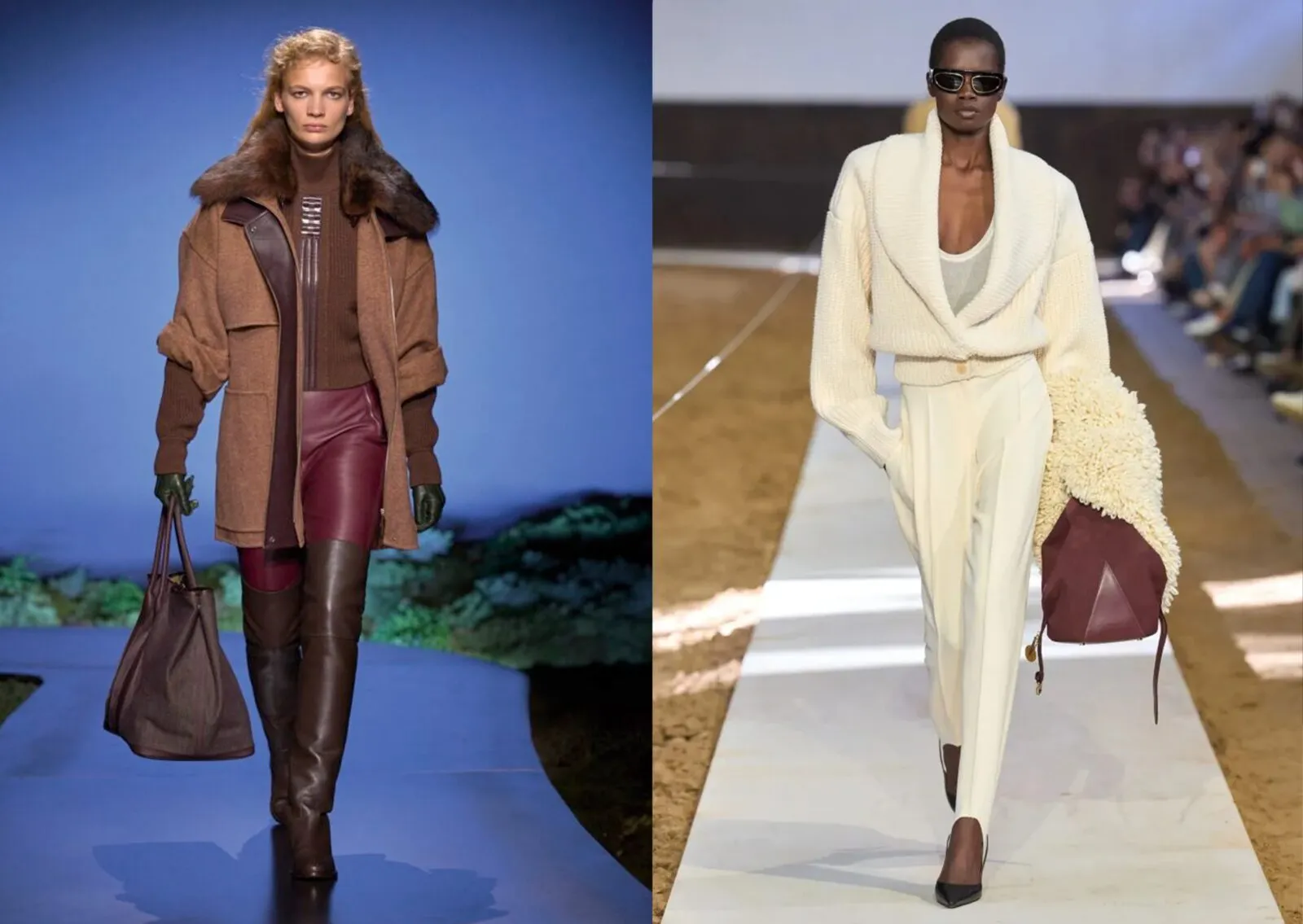
Horses and riding clothes formed a surprisingly recurring theme during Paris Fashion Week.
At Hermès, equestrian references are a logical part of the house's DNA. Thigh-high riding boots, jodhpurs and sharply cut tailoring clearly referenced the world of equestrian sport.
Stella McCartney went a step further and organised her show in a real riding arena, where horses roamed freely while models walked the catwalk. The collection combined equestrian tailoring with faux fur and vegan materials, a clear reference to McCartney's sustainable ethos.
The message of the runway was clear: equestrian aesthetics are back, but in a modern, luxurious form.
4. Surrealist accessories become viral statements
At Schiaparelli, Daniel Roseberry once again proved that accessories are sometimes just as important as clothing.
The collection contained surrealist pieces such as kitten heels with a sculptural cat's head and handbags with golden bird claws. These object-like accessories feel almost like little works of art.
In a time when runway looks appear on TikTok and Instagram within seconds, this kind of statement piece is essential. They provide recognisability, virality and a strong visual identity.
It shows that accessories increasingly function as cultural symbols rather than just styling details.
5. Romantic and ultra-feminine silhouettes return
Alongside the sculptural silhouettes and experimental accessories, there was also a clear return of romance.
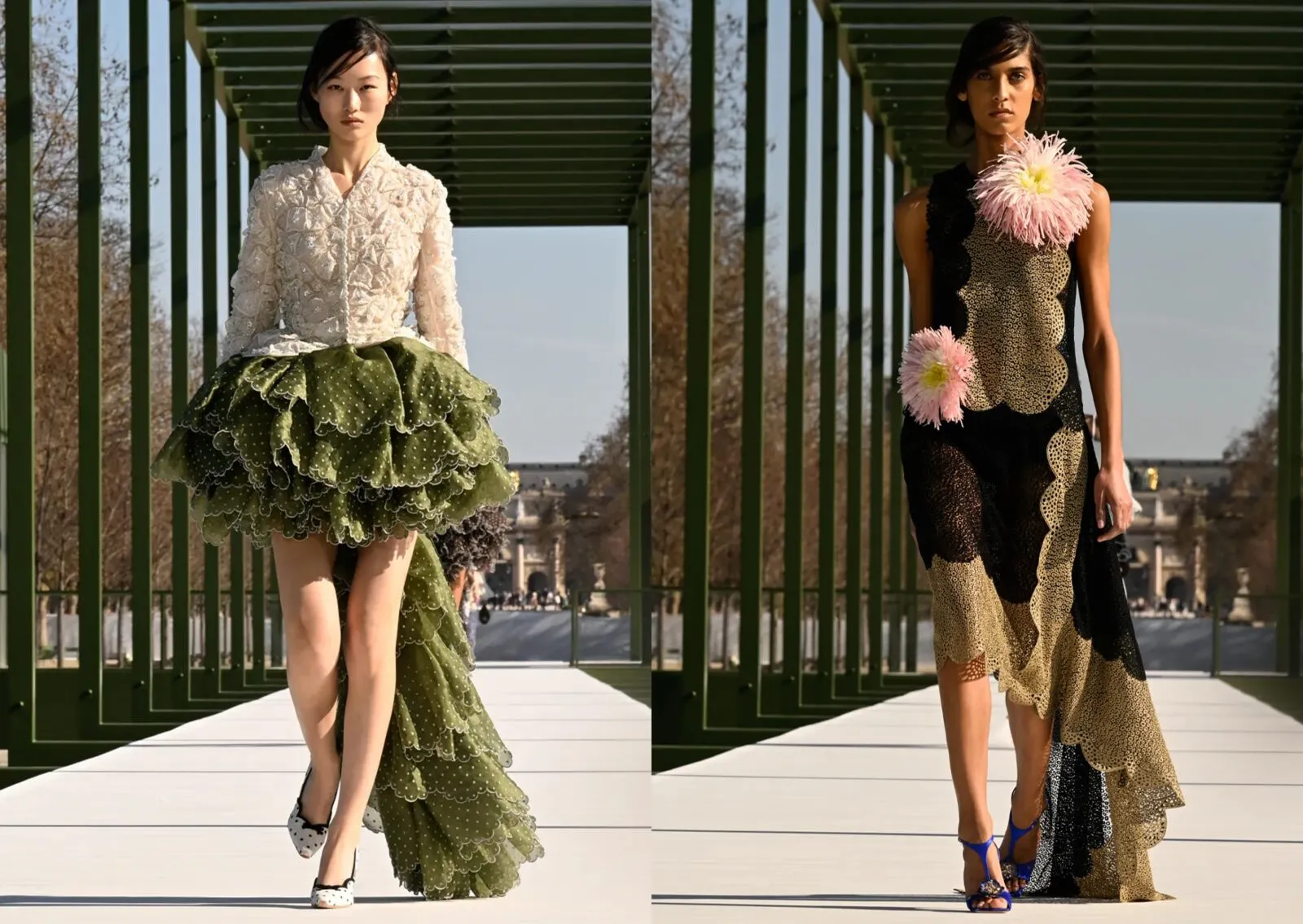
At Dior, Jonathan Anderson transformed the Jardin des Tuileries into a fairytale setting inspired by the paintings of Claude Monet. On the runway we saw ruffles, tiered skirts and peplum silhouettes reminiscent of flower petals.
This emphasis on femininity feels almost like a counter-reaction to the minimalist aesthetic that has been dominant in recent years. The new generation of designers seems to embrace once again that fashion is also allowed to be dramatic, playful and expressive.
Why these trends matter
Paris Fashion Week not only shows what we'll soon see in stores, but also how fashion is developing culturally.
The FW26 shows reveal an industry balancing between tradition and experiment. Heritage houses stay true to their codes, while designers simultaneously respond to the visual logic of social media and pop culture.
For Gen Z and millennials, after all, fashion isn't only about clothing, but about identity, storytelling and visual impact. And that's exactly why Paris Fashion Week remains the moment when the future of fashion becomes visible.
Read next: Paris Fashion Week FW26 Recap: The 10 Moments Everyone Is Talking About.
Read next: Trend Radar: Street Style Trends from New York Fashion Week FW26 (2026 Fashion Forecast).